AI Image Converters Explained: A Deep Dive Into the Future of Art
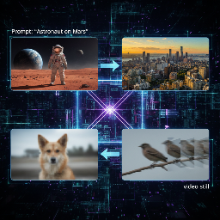
The term "AI Image Converter" has become a catch-all for a revolutionary new class of tools that use artificial intelligence to create and manipulate images in magical ways. These aren't just simple format converters; they are creative partners that can generate art from scratch, transform photos into masterpieces, and enhance images beyond their original quality. This guide will break down the main types of AI image converters and what they can do.
1. Text-to-Image Converters (AI Image Generators)
This is the category that has captured the public's imagination. As we covered in our introduction to AI generators, these tools create entirely new images from a simple text prompt. You describe what you want to see, and the AI brings it to life.
- How they work: They use diffusion models trained on billions of image-text pairs to understand the relationship between words and visual concepts.
- Popular Examples: Midjourney, DALL-E 3, Stable Diffusion.
- Best for: Creating concept art, illustrations, and unique visuals for marketing or personal projects.
2. Style Transfer Converters
These tools take the artistic style from one image and apply it to another. This allows you to "paint" your photograph in the style of a famous artist or a specific aesthetic, like the popular Ghibli-style converters.
- How they work: They use neural networks to separate the "content" of one image from the "style" of another and then combine them.
- Popular Examples: DeepArt, Prisma, and various specialized AI art generator apps.
- Best for: Creating artistic and stylized versions of your photos for social media, profile pictures, or personal art projects.
3. AI Photo Enhancers and Upscalers
These AI converters focus on improving the technical quality of an existing image. They can take a low-resolution, blurry, or noisy photo and make it look sharp and clear, as if it were taken with a high-end camera.
- How they work: AI models are trained to recognize common image defects (like blur and pixelation) and intelligently reconstruct the missing details. We explore this further in our guide to AI photo enhancement.
- Popular Examples: Topaz Gigapixel AI, and many free online upscaling tools.
- Best for: Restoring old photos, improving the quality of web images, and preparing low-resolution pictures for printing.
4. Image-to-Video Converters
The latest breakthrough in AI generation, these tools can take a single static image and animate it into a short video clip. We discuss this exciting new frontier in our article on AI image-to-video converters.
- How they work: The AI analyzes the image and predicts a sequence of future frames, generating plausible motion for objects within the scene.
- Popular Examples: Runway Gen-2, Pika Labs.
- Best for: Creating dynamic social media posts, bringing digital art to life, and quick conceptual animations.
The world of AI image converters is evolving at a breathtaking pace. These tools are democratizing creativity and empowering everyone to produce stunning visual content that was once unimaginable.